
By Emily Anderson
In many parts of the world, deep and overlapping crises are reshaping daily life—impacting food, health, climate, and peace. These are not isolated emergencies, but interconnected challenges that increasingly call for coordinated global responses.
Escalating Conflicts and Humanitarian Need
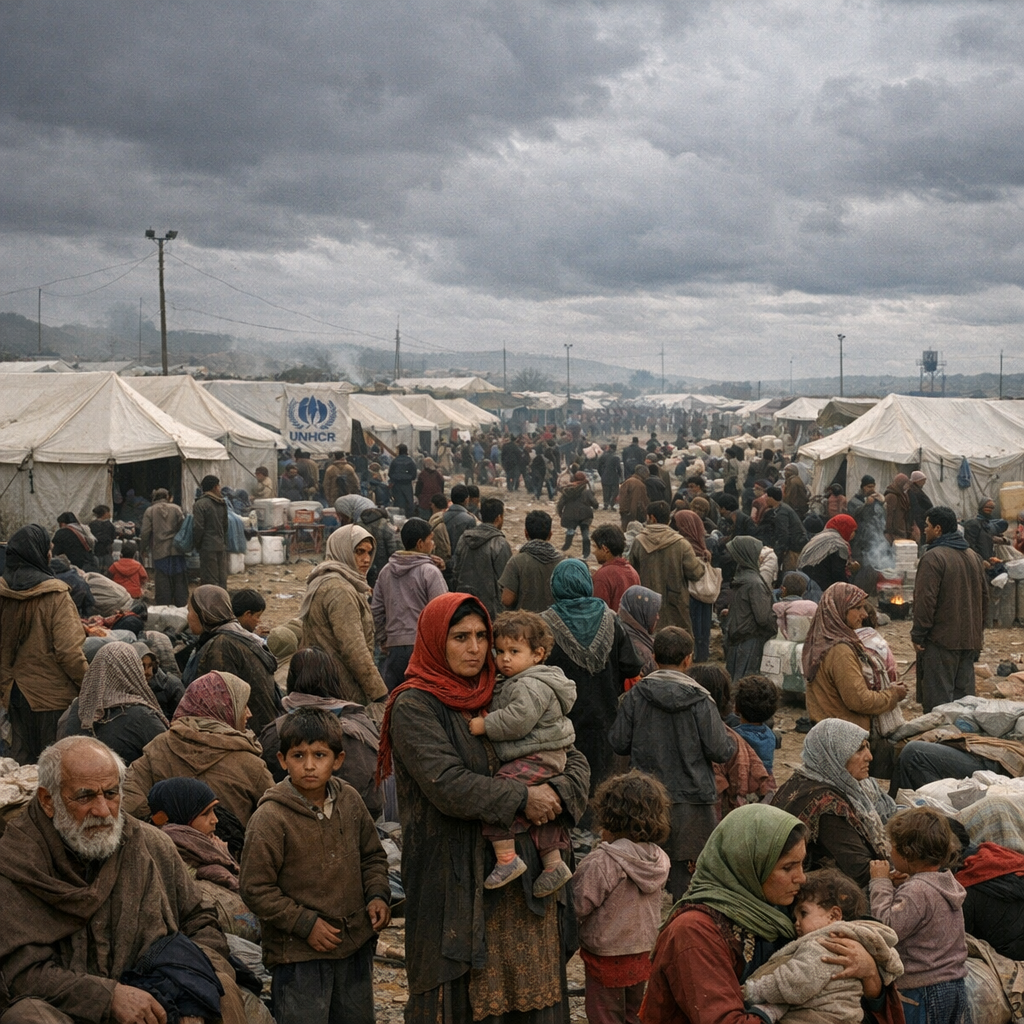
Protracted wars and violence in places like Sudan, Gaza, Ukraine, and Yemen continue to force millions from their homes, erode infrastructure, and drive up food insecurity. Aid organizations warn that over 200 million people will likely need humanitarian assistance this year alone—humanitarian systems are under strain as funding retreats and emergencies multiply. WHO data shows that health facilities are overwhelmed or shuttered, leaving tens of millions without essential services. Conflict zones are amplifying disease spread, displacement, and breakdown of basic public health.
Climate: From Policy to Survival
Climate action is now clearly central to global stability. Many nations have submitted updated climate pledges under the Paris Agreement, but experts warn that these commitments still do not add up. Without stronger steps to reduce emissions, the world risks overshooting safe temperature limits, triggering more volatile weather, sea level rise, and agricultural disruptions. Meanwhile, climate finance remains a sticking point: less than the needed scale of investment is flowing to vulnerable regions, despite mechanisms and forums aiming to unlock funding.
Food Security, Inequality, and Economic Unease
Food crises are worsening. The UN warns of growing “acute food insecurity” in key hotspots, driven by conflict, climate shocks, and supply disruptions. At the same time, income inequality between rich and poor nations is growing wider. While the Sustainable Development Goals aim to eradicate extreme poverty by 2030, current trends suggest more than 600 million people will still remain in extreme poverty, largely in the Global South. Global economic growth is projected to be among the weakest outside of pandemic or financial crisis years due to energy turmoil in the Middle East, rising commodity prices, and weakening trade dynamics.
The Growing Case for Global Cooperation
With boundaries blurred between climate, peace, prosperity, and health, siloed responses risk falling short. Major global frameworks—like the UN’s Sustainable Development Goals and the Paris Agreement—offer a blueprint for unified action. But for these blueprints to work, wealthy nations and international institutions must deliver on funding promises. Local voices and community-led solutions also matter—they often hold keys to adaptation, peacebuilding, and resilience.
What We Can Do
- Support trustworthy international relief organizations and keep attention on underreported crises.
- Engage locally—volunteer, donate, raise awareness in Boise or wherever you are.
- Stay informed about policy choices especially related to climate finance, global health, and refugee protection and advocate for responsible leadership.
These challenges may seem distant—on the other side of the globe—but what happens there increasingly influences what happens here. Global crises are everyone’s responsibility.